

Exterior upgrades are what adds most value to a house, consistently outperforming major interior remodels in return on investment. According to the 2026 Cost vs Value Report, garage door replacement recoup 150–194% of their cost, while steel entry door replacements deliver around 188% ROI. These figures, drawn from HomeCostLab and Opendoor data, make a clear case: the highest-value improvements are often the ones buyers see first. Minor kitchen refreshes and bathroom updates round out the picture, offering respectable returns without the financial risk of a full gut remodel.
What adds most value to a house on the outside?
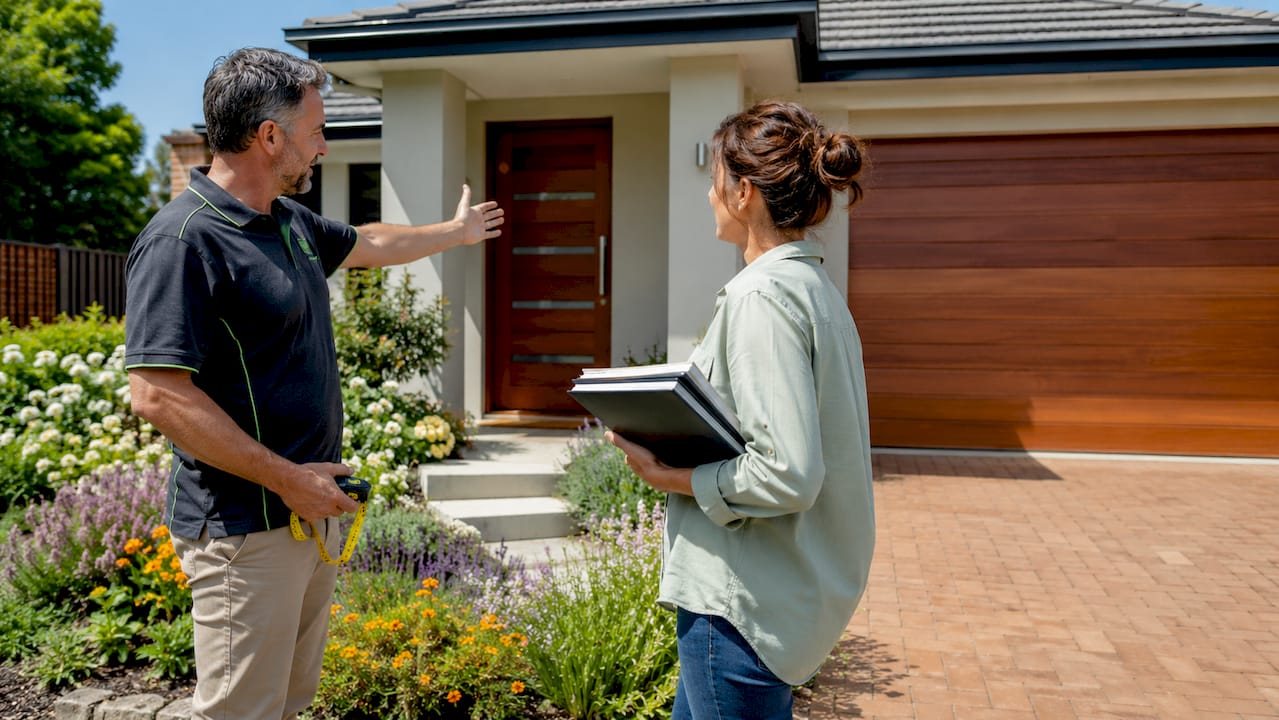
Exterior improvements dominate the return on investment rankings, and the reason is straightforward. Buyers form opinions within seconds of arriving at a property, which means the facade sets the tone for everything that follows. A tired exterior signals neglect, regardless of how well-finished the interior may be.
Garage door replacement
Garage door replacement is the single highest-ROI home improvement available to most homeowners. The 2026 Cost vs Value Report puts the average spend at £3,400–£3,700 (equivalent to roughly $4,300–$4,700), with value added reaching £6,800–£9,800. That translates to a 150–194% return on a relatively modest outlay. The reason this performs so well is that a new garage door is immediately visible, signals security, and requires no internal disruption to install.
Steel entry door replacement
A steel front door replacement delivers approximately 188% ROI at an average cost of around £1,750. Buyers read a solid, well-fitted front door as a sign of a well-maintained home. It also communicates security and energy efficiency, two factors that matter greatly to buyers in the current market.
Manufactured stone veneer
Adding manufactured stone veneer to the lower facade of a property returns approximately 153% ROI on an investment of around £8,600. The visual transformation is significant. Stone veneer adds texture, warmth, and a premium feel that buyers associate with quality construction.
- Garage door replacement: 150–194% ROI, low disruption, immediate visual impact
- Steel entry door: ~188% ROI, signals security and maintenance
- Stone veneer cladding: ~153% ROI, transforms facade aesthetics
- Double glazing upgrades: Improves thermal performance and kerb appeal together (see double glazing benefits)
Pro Tip: Exterior replacements generally require less labour and cause less disruption than interior remodels. That lower cost base is precisely why their ROI figures are so high.
Minor vs major interior renovations: which adds more value?
The most common misconception in home improvement is that bigger spending produces bigger returns. The data says otherwise. Major structural interior projects often return only 35–40% of their expenditure, making them a poor choice if your primary goal is resale value.
Minor midrange kitchen remodels, by contrast, achieve 96–113% ROI according to the 2026 Cost vs Value Report. That means a £10,000 kitchen refresh can add £9,600–£11,300 in perceived value. A full kitchen gut remodel costing £40,000 or more might return only £16,000–£20,000. The maths strongly favours restraint.
| Renovation Type | Typical Cost | Approximate ROI |
|---|---|---|
| Minor midrange kitchen remodel | £8,000–£12,000 | 96–113% |
| Major upscale kitchen remodel | £35,000–£60,000 | 35–50% |
| Midrange bathroom remodel | £7,000–£12,000 | ~80% |
| Major bathroom overhaul | £20,000–£35,000 | 40–55% |
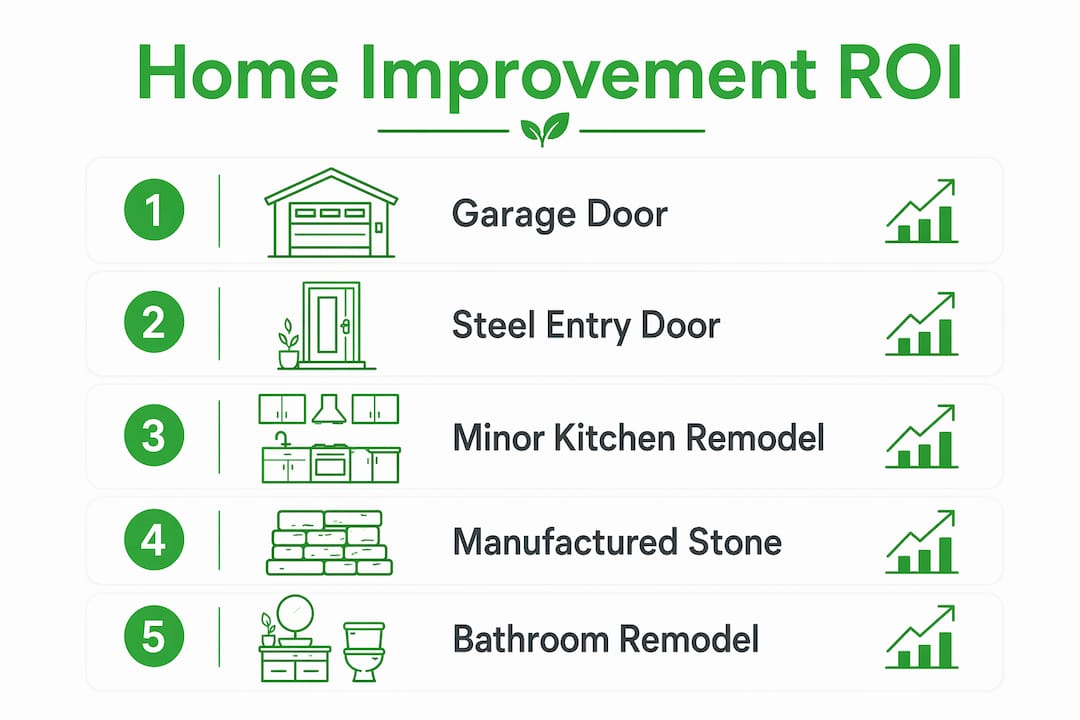
The pattern is consistent across bathrooms too. A midrange bathroom remodel delivers roughly 80% ROI, which is a respectable return for a space buyers scrutinise closely. Spending three times more on premium fittings and bespoke tiling rarely produces proportionate gains.
The reason minor refreshes outperform major remodels is partly psychological. Buyers want to personalise a home. A clean, functional kitchen with updated worktops and new cabinet doors gives them a blank canvas. A heavily customised, high-end kitchen can actually narrow buyer appeal if the style does not match local tastes.
Pro Tip: Before committing to a full kitchen remodel, consider replacing cabinet doors, updating handles, fitting a new worktop, and repainting. This approach can deliver near-equivalent value at a fraction of the cost.
Overlooked improvements that genuinely boost property value
Some of the most cost-effective ways to increase home value receive far less attention than kitchens and bathrooms. These projects are worth serious consideration, particularly if your budget is limited.
Landscaping and kerb appeal enhancements can add 5–15% to a home’s value, often with relatively low investment. Tidy borders, a freshly laid lawn, and a repainted front fence cost a fraction of a kitchen remodel but contribute directly to that critical first impression.
Replacing timber or vinyl cladding with fibre cement board offers close to 90% ROI in many markets. It is durable, low-maintenance, and signals quality to buyers who understand building materials. A well-maintained timber deck returns roughly 75–85% of its cost and adds usable outdoor living space, which buyers in the UK increasingly value.
Fixing deferred maintenance is perhaps the most overlooked value protector of all. Chipped paint, dripping taps, cracked render, and broken guttering do not just look poor. They signal to buyers that deeper problems may exist. Addressing these issues prevents value loss rather than adding value, but the effect on sale price can be substantial.
One project to approach with caution in the UK market is a swimming pool. Swimming pools often reduce buyer interest in most UK markets due to maintenance costs, insurance implications, and the limited number of months they are usable. What feels like a luxury addition can actually narrow your buyer pool and reduce offers.
- Landscaping: Low cost, high visibility, adds 5–15% value
- Fibre cement cladding: Durable, ~90% ROI, low maintenance appeal
- Timber or composite decking: Adds outdoor living space, 75–85% ROI
- Deferred maintenance fixes: Protects existing value, prevents buyer concern
- Swimming pools (UK): Generally reduce buyer interest, avoid unless staying long term
How should you prioritise home upgrades for your situation?
The right renovation strategy depends on three things: your local market, your budget, and how long you plan to stay in the property. Market conditions directly affect which improvements deliver the strongest returns, and a one-size-fits-all approach rarely works.
Here is a practical framework for prioritising your improvements:
- Assess your kerb appeal first. Walk to the end of your drive and look at your home as a buyer would. If the garage door, front door, or facade looks dated, start there. These are your highest-ROI investments.
- Fix all deferred maintenance. Before spending on upgrades, address anything that signals neglect. Buyers and surveyors will find these issues, and they will use them to negotiate your price down.
- Refresh, do not replace, the kitchen. If the layout works, a cosmetic refresh delivers far better returns than a full remodel. New worktops, updated cabinet fronts, and modern lighting can transform the space.
- Consider a home extension if you need more space. A well-designed house extension adds genuine square footage, which is one of the most reliable ways to increase property value in the long term.
- Match your investment to your timeline. If you are selling within 12 months, focus on kerb appeal and minor interior refreshes. If you are staying for five or more years, you can balance personal enjoyment with ROI, and a garage conversion or kitchen extension may make excellent sense.
Strategic spending that balances exterior replacements with moderate interior refreshes consistently delivers the best resale outcomes. Targeted improvements can increase resale value by 5–15% depending on your market and starting condition. That range represents a meaningful financial gain on most UK properties. For a broader view of how construction-based improvements fit into a 2026 strategy, the home upgrades guide from Ofir Engineering offers useful context on energy-efficiency improvements and their price impact.
Key takeaways
Exterior upgrades deliver the highest ROI of any home improvement category, with garage door and entry door replacements consistently outperforming major interior remodels in value added per pound spent.
| Point | Details |
|---|---|
| Exterior upgrades lead ROI | Garage door replacement returns 150–194%, making it the highest ROI project available. |
| Minor interior refreshes beat major remodels | A minor kitchen remodel returns 96–113% versus roughly 35–50% for a full gut remodel. |
| Kerb appeal has outsized influence | Buyers form opinions within seconds, so facade condition directly shapes perceived value. |
| Maintenance protects existing value | Fixing deferred issues like chipped paint prevents buyers from negotiating your price down. |
| Match strategy to your timeline | Short-term sellers should prioritise exterior; long-term owners can balance ROI with personal enjoyment. |
What 35 years in the trade has taught me about adding value
After more than three decades working on homes across Warrington, St Helens, and the surrounding areas, I have seen homeowners make the same expensive mistake repeatedly. They spend £40,000 on a showroom kitchen, then wonder why the surveyor’s valuation barely moved. The data backs up what I have observed on the ground: buyers do not pay a premium for your taste. They pay for space, condition, and first impressions.
The garage door and front door findings genuinely surprised me when I first saw the ROI figures, but they make complete sense in practice. These are the first things a buyer touches. A stiff, rusty garage door or a warped front door communicates one thing clearly: this home has not been looked after. Conversely, a crisp new door says the opposite without a word being spoken.
My honest advice is to resist the urge to over-invest in the interior before you have sorted the exterior. I have seen beautifully renovated kitchens hidden behind peeling render and overgrown front gardens. The buyer never gets excited enough to appreciate the kitchen because the exterior has already set a negative tone.
If you are planning to stay in your home for several years, a well-built extension is one of the few projects that genuinely delivers on both fronts: personal enjoyment and long-term value. But even then, get the basics right first. A tidy, well-maintained exterior will always serve you better than a premium interior in a tired shell.
— Gareth
Ready to add real value to your home?
Complete-property has been helping homeowners across Warrington, St Helens, Wigan, Southport, and the wider North West add genuine value to their properties for over 35 years. Whether you are considering a house extension to add square footage, a conservatory to bring in light and living space, or a garage conversion to unlock unused potential, we guide you through every step from design to completion.
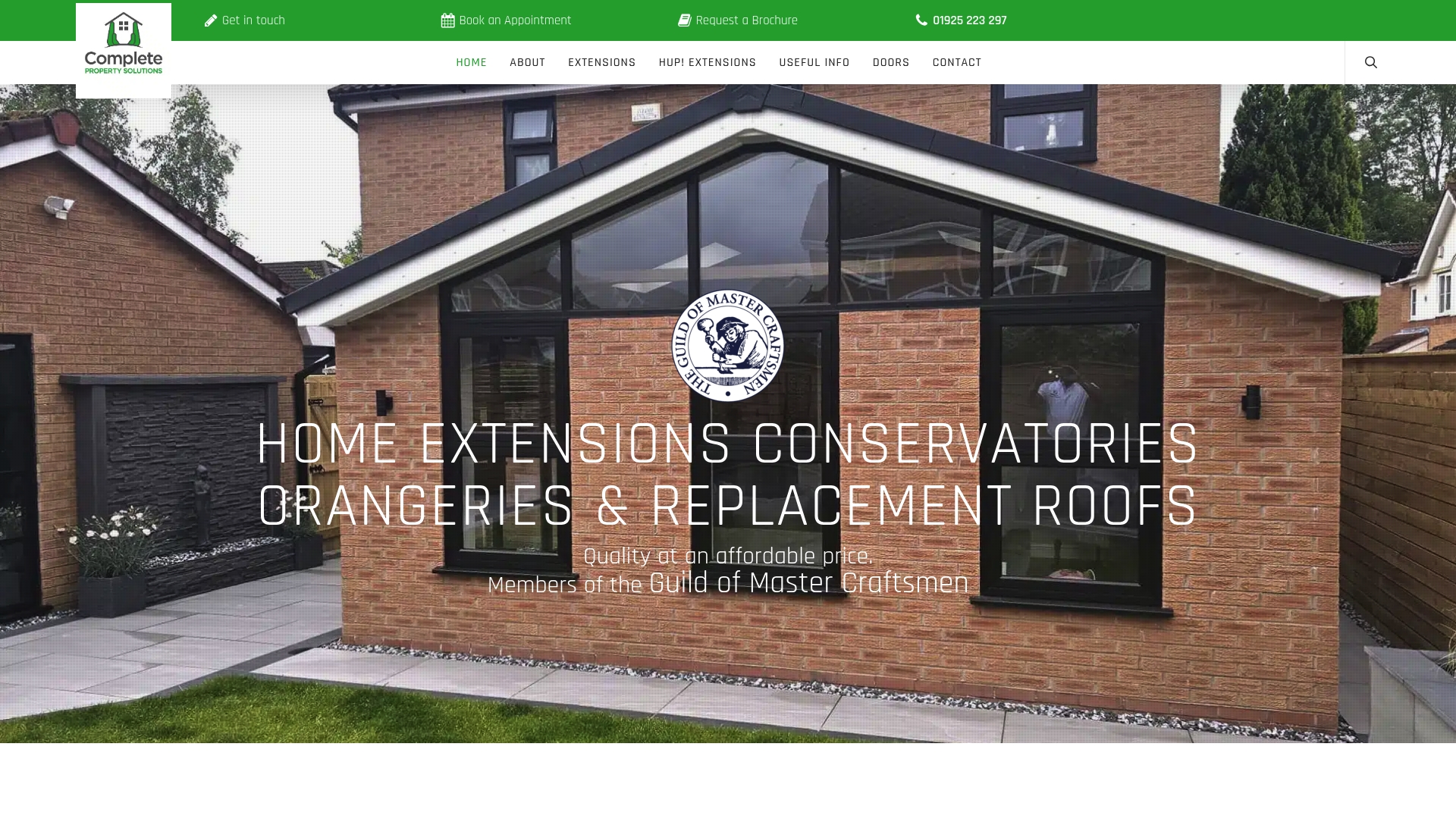
We offer fixed-price guarantees, transparent planning advice, and the kind of personal service you only get from a family-run business. Get in touch today to discuss how we can help you make the most of your home.
FAQ
Which home improvement has the highest ROI?
Garage door replacement has the highest ROI of any home improvement, returning 150–194% of costs according to the 2026 Cost vs Value Report. It is also one of the least disruptive projects to carry out.
Does a new kitchen add value to a house?
A minor midrange kitchen remodel returns 96–113% of its cost, making it a worthwhile investment. A major upscale kitchen remodel typically returns only 35–50%, so restraint and a refresh-first approach deliver better results.
Do home extensions add value in the UK?
Yes. A well-designed home extension adds genuine square footage, which is one of the most reliable ways to increase property value over the long term, particularly in areas where space is at a premium.
Does a swimming pool add value to a UK home?
Swimming pools generally reduce buyer interest in most UK markets due to maintenance costs, insurance implications, and limited seasonal use. They are best avoided unless you plan to stay in the property long term.
How much can targeted improvements increase a home’s value?
Targeted improvements can increase a home’s resale value by 5–15% depending on the local market and the property’s starting condition, according to Opendoor research.


