

A garage conversion is defined as the process of transforming an existing garage structure into a fully habitable room, without the cost or complexity of building from scratch. For homeowners across Warrington, Wigan, and St Helens, it is one of the most practical ways to gain extra living space in 2026. Garage conversion room ideas range from home offices and guest bedrooms to gyms and self-contained suites. Compared to a traditional extension, garage conversions save 30–50% in cost by using the existing foundations, walls, and roof. The key is matching the right room type to your garage’s size, layout, and your household’s needs.
Best garage conversion room ideas for every home
The industry term for this type of project is a “change of use conversion.” It involves upgrading the thermal envelope, electrics, ventilation, and flooring to meet building regulations. The room type you choose shapes every decision that follows, from budget to build time.

1. home office
A home office is the most popular garage conversion in 2026, and for good reason. Garages are typically detached or semi-detached from the main living area, which means natural quiet and separation from household noise. A long, narrow single garage suits a desk-and-storage layout particularly well, with built-in shelving along one wall and a window added to the front or side elevation.
Electrical upgrades are non-negotiable here. Dedicated electrical circuits and a panel upgrade are required for safe, reliable power to computers, monitors, and lighting. LED strip lighting combined with a roof lantern or skylight creates a bright, professional environment without relying on artificial light all day. Home office conversions typically cost between £8,000 and £25,000 depending on finish level.
2. guest bedroom or in-law suite
Converting a garage into a guest bedroom is an excellent way to add genuine value to your home. Legitimate conversions add 10–20% to property value, and a well-finished bedroom is one of the strongest contributors to that uplift. Privacy is the primary design consideration: a separate entrance, solid-core door, and acoustic insulation in the walls all help.
Egress windows are the most commonly missed compliance feature in bedroom conversions. Egress windows must meet minimum openable areas to provide a safe escape route in an emergency. If you plan to add an en-suite, factor in the cost and complexity of extending the existing plumbing stack. A guest suite with a shower room sits at the higher end of the budget range.
3. home gym or yoga studio
A home gym conversion is one of the most cost-effective garage makeover ideas available. Home gym conversions rarely require permits and typically cost between £5,000 and £15,000, making them accessible for most budgets. The absence of plumbing keeps costs low, and the concrete slab floor is already well-suited to heavy equipment.
Flooring is the most important design decision in a gym conversion. Luxury vinyl plank and engineered hardwood suit most converted garage spaces, but for a gym, rubber matting over a rigid insulation subfloor is the practical choice. Ventilation matters enormously here. Building regulations require purge ventilation equal to 1/20th of floor area, and a gym generates significant heat and moisture, so a mechanical extract fan is worth the investment.
4. entertainment room or media lounge
A double garage is the ideal candidate for a media room or entertainment lounge. The extra width allows for a proper seating layout, a large screen wall, and acoustic treatment without the space feeling cramped. Soundproofing the walls and ceiling with acoustic insulation boards keeps the noise contained and your neighbours happy.
Lighting design makes or breaks a media room. Recessed LED downlights on a dimmer circuit, combined with LED strip lighting behind the screen, create the cinema atmosphere most homeowners are after. A ductless mini-split HVAC system is the preferred heating and cooling solution here, as mini-splits require minimal ductwork and can be installed without disturbing the existing central heating system.
5. playroom or hobby room
A playroom conversion gives children a dedicated space that keeps toys, noise, and mess out of the main house. Safety is the first design priority: rounded corners on fitted furniture, non-slip flooring, and a stable door that allows ventilation while keeping young children contained. Garages with direct garden access are particularly well-suited to this use, as the layout saves structural and plumbing costs while creating a natural flow between indoor play and outdoor space.
Storage is the defining feature of a successful playroom. Floor-to-ceiling fitted units along one wall, combined with low-level open shelving for easy child access, keep the room functional as children grow. A hobby room for adults follows the same logic: generous worktop space, good task lighting, and plenty of storage for materials and equipment.
6. boot room or utility space
A boot room conversion is underrated as a practical home improvement. Positioned between the garage door opening and the main house, it creates a dedicated space for coats, boots, bikes, and outdoor equipment. This type of conversion is particularly popular in Warrington and surrounding areas where active families need organised storage for muddy kit.
Plumbing a utility sink into the space adds significant practical value. Tiled flooring, robust wall hooks, and a bench with under-seat storage are the core design elements. This is one of the lower-cost conversion options, and it can often be completed without full building regulations approval if it remains a non-habitable utility space. Always confirm with your local authority before starting work.
7. accessory dwelling unit (ADU) or self-contained suite
A self-contained suite, known in the industry as an accessory dwelling unit or ADU, is the most ambitious of all garage conversion room ideas. It includes a bedroom, bathroom, kitchen or kitchenette, and its own entrance. Full ADU conversions can exceed £100,000 due to the complexity of plumbing, electrical, and structural work required.
The reward is significant. A self-contained suite can generate rental income, house an elderly relative, or serve as a long-term guest accommodation. Planning permission is usually required for this type of conversion, and building regulations compliance is mandatory across every system in the space. Complete-property recommends speaking to a specialist builder before committing to this route, as the design and compliance requirements are considerably more involved than a standard room conversion.
How to choose the right conversion for your garage
Matching the conversion type to your garage’s existing features is the single most important factor in controlling costs and achieving a great result. Tailoring conversion type to existing garage features is critical to project success. A long, narrow single garage suits an office or utility room far better than a bedroom. A wide double garage with garden access suits a playroom, gym, or entertainment room.
Here are the key practical considerations to work through before committing to a design:
- Floor level. Garage floors sit lower than house floors. You can either raise the floor by excavation or use an overlay system with rigid insulation and a floating floor. Excavation costs £2,000–£4,000 but avoids a step up. An overlay is cheaper but creates a visible step that must comply with regulations.
- Damp proof course continuity. The damp proof course membrane must connect seamlessly between the existing house floor and the new garage floor to prevent rising damp. This is a technical detail that is easy to miss and expensive to fix later.
- Insulation. Garages are uninsulated and not built for habitation. A full thermal envelope upgrade covering walls, floor, and roof is mandatory, not optional.
- Ventilation and fire safety. Building regulations require 30-minute fire-resistant separation between the converted space and the main house, plus background trickle vents of 4,000mm² minimum.
- Permits and inspections. Unpermitted conversions risk insurance denials and resale problems. Always apply for building regulations approval and, where required, planning permission. Check your permitted development rights at complete-property.co.uk/do-i-need-planning-permission.
- Budget. Set a realistic budget before choosing a room type. A gym or playroom is achievable for £8,000–£15,000. A guest bedroom with en-suite sits at £20,000–£40,000. A full ADU will exceed £60,000.
- Resale value. A compliant, well-finished conversion adds measurable value. A non-compliant one can reduce it. Compliance with building regulations is the foundation of any good conversion.
Pro Tip: Always request a copy of the building regulations completion certificate from your builder. Without it, you will face difficulties when selling the property.
Garage conversion types compared: cost, time, and value
| Room Type | Typical Cost | Build Time | Permit Needed | Value Impact |
|---|---|---|---|---|
| Home Office | £8,000–£25,000 | 4–8 weeks | Building regs | Good |
| Guest Bedroom | £15,000–£40,000 | 6–10 weeks | Building regs | Excellent |
| Home Gym | £5,000–£15,000 | 2–5 weeks | Usually not | Moderate |
| Entertainment Room | £10,000–£30,000 | 4–8 weeks | Building regs | Good |
| Playroom or Hobby Room | £6,000–£18,000 | 3–6 weeks | Building regs | Moderate |
| Boot Room or Utility | £4,000–£10,000 | 2–4 weeks | Often not | Moderate |
| ADU or Self-Contained Suite | £60,000+ | 12–20 weeks | Planning + regs | Excellent |
The table above reflects typical UK figures for 2026. Costs vary by region, specification, and garage condition. Garages in poor structural condition or with significant damp issues will add to the baseline figures.
Design tips to get the most from your converted garage
Good design turns a functional conversion into a room you genuinely love using. These practical ideas apply across most room types:
- Skylights and roof lights are the single most effective way to bring natural light into a garage conversion. Side windows are limited by boundary distances, but a roof light has no such restriction.
- Luxury vinyl plank flooring is the most practical choice for most converted garage rooms. It is waterproof, durable, and available in styles that suit every room type. Porcelain tiles suit wet areas such as utility rooms and en-suites. Avoid carpet due to moisture risk.
- Fitted storage along one full wall maximises usable floor space in any room type. In a home office, this means shelving and cupboards. In a gym, it means equipment storage. In a playroom, it means toy and activity organisation.
- Ductless mini-split systems offer the most flexible heating and cooling solution for converted garages. They require no ductwork, can be installed quickly, and provide both heating in winter and cooling in summer.
- Neutral, light colour palettes make converted garages feel larger and more connected to the main house. Warm whites, soft greys, and natural wood tones work well across office, bedroom, and living room conversions.
Pro Tip: Specify USB charging points and additional double sockets at the design stage. Retrofitting electrics after plastering is costly and disruptive.
Key takeaways
A garage conversion is the most cost-effective way to add a functional room to your home, provided you match the room type to your garage’s layout and comply fully with building regulations.
| Point | Details |
|---|---|
| Cost savings are significant | Garage conversions save 30–50% compared to traditional extensions by using existing structures. |
| Room type must match layout | Long narrow garages suit offices; wide garages with garden access suit gyms or playrooms. |
| Compliance is non-negotiable | Unpermitted conversions risk insurance denials, resale problems, and costly remediation. |
| Thermal upgrades are mandatory | Full insulation of walls, floor, and roof is required before any garage becomes habitable. |
| Design details add lasting value | Skylights, fitted storage, and quality flooring transform a functional space into a desirable room. |
What i have learned after 35 years of garage conversions
After more than three decades of working on garage conversions across Warrington, Wigan, St Helens, and the surrounding areas, the single biggest mistake I see homeowners make is treating the project as a cosmetic job. They focus on the décor and forget the structure underneath. A garage is not built to be lived in. The walls are not insulated, the floor is not damp-proofed to habitable standards, and the ventilation is non-existent. Getting those fundamentals right is what separates a conversion that adds value from one that causes problems five years down the line.
The second thing I would say is this: do not underestimate the importance of choosing the right room type for your specific garage. I have seen homeowners spend money trying to force a bedroom into a long, narrow single garage when the same space would have made a brilliant home office for half the cost. The architecture of the garage should guide the brief, not the other way around.
Planning and compliance are not obstacles. They are the framework that protects your investment. A building regulations completion certificate is worth more than any amount of expensive finishes. Without it, you will face questions when you come to sell, and those questions can cost you far more than the compliance work would have done at the outset.
The good news is that when a garage conversion is done properly, it genuinely transforms how a home feels and functions. We have seen families gain a proper workspace, a guest room for visiting relatives, and a gym they actually use. The potential is real. You just need the right team behind you.
— Gareth
Ready to transform your garage? Complete-property can help
Complete-property has been delivering professional garage conversions across Warrington, St Helens, Wigan, Southport, and surrounding areas for over 35 years. Every project comes with a fixed-price guarantee, full building regulations compliance, and a dedicated team that manages the entire process from design to completion.
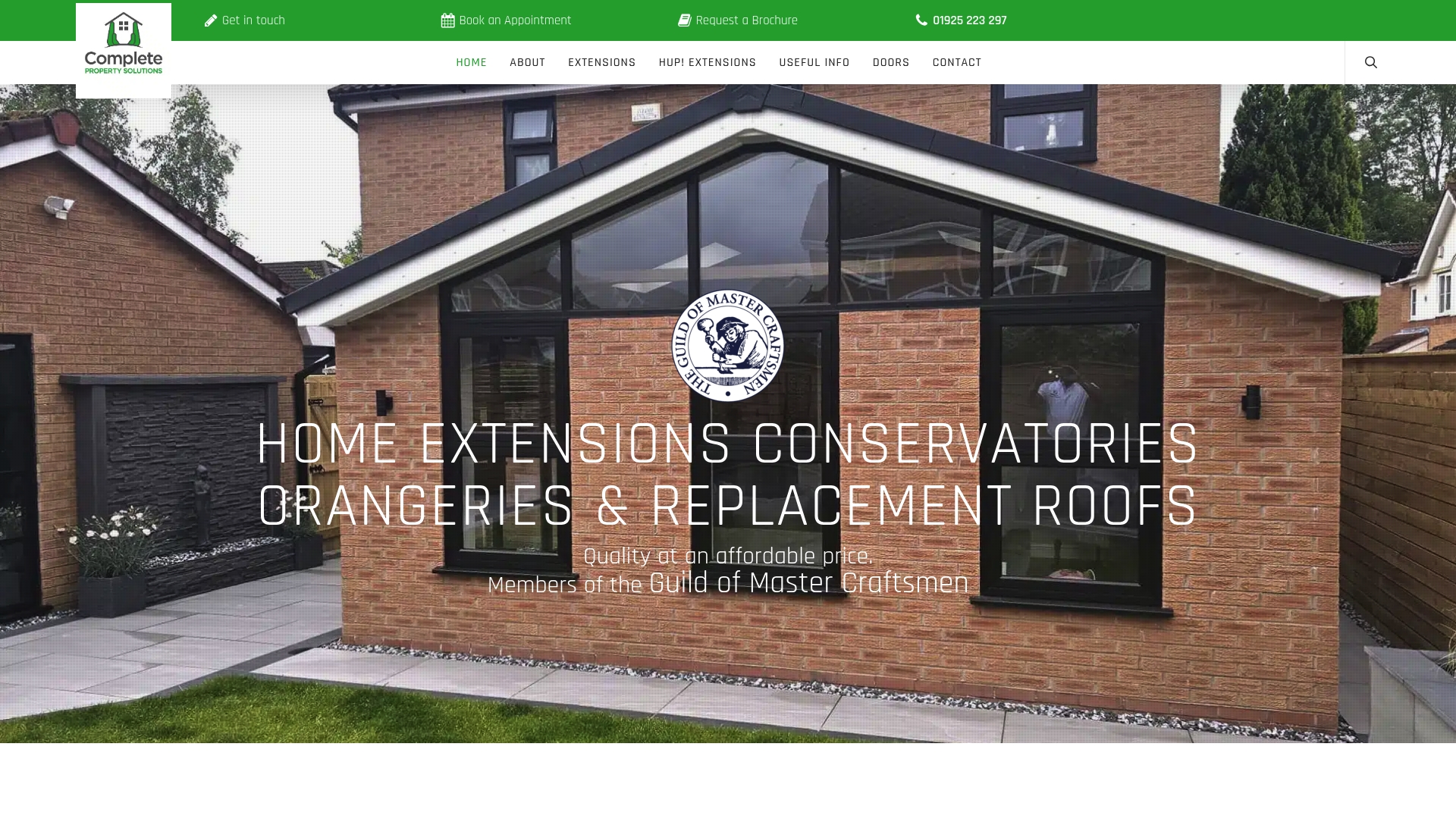
Whether you are converting to a home office, guest suite, or self-contained living space, Complete-property handles the structural upgrades, insulation, electrics, and finishing to the highest standard. If you are weighing up a garage conversion against a full home extension, we are happy to talk through both options and help you find the right solution for your home and budget. Get in touch with the team today for a friendly, no-obligation conversation.
FAQ
What is a garage conversion?
A garage conversion is the process of transforming an existing garage into a fully habitable room by upgrading insulation, electrics, ventilation, and flooring to meet building regulations. It is classified as a change of use and typically requires building regulations approval.
Do I need planning permission to convert my garage?
Most garage conversions fall under permitted development rights and do not require planning permission, but exceptions apply for listed buildings, conservation areas, and self-contained units. Always confirm with your local planning authority before starting work.
How much does a garage conversion cost in the UK?
Costs range from approximately £5,000 for a basic gym or utility room to over £60,000 for a full self-contained suite. A standard home office or guest bedroom conversion typically costs between £15,000 and £35,000 depending on specification and garage condition.
How long does a garage conversion take?
Most standard garage conversions take between four and ten weeks to complete. A self-contained ADU with full plumbing and electrical work can take up to twenty weeks from start to finish.
Will a garage conversion add value to my home?
A compliant, well-finished garage conversion adds 10–20% to property value. Non-compliant conversions without building regulations approval can reduce value and create legal complications at the point of sale.
Recommended
- Garage Conversions – Complete Property Solutions
- Ten Things You Need to Know Before You Build a Home Extension – Complete Property Solutions
- Building a Home Extension
- House Extensions Home Extensions


