

A well-designed home extension adds 10–20% to UK property value, with kitchen-diners alone yielding returns of 40–50% of build cost. The term “home extension” covers everything from a modest single-storey rear addition to a full double-storey build, and the industry broadly refers to these as residential extensions or home additions. Not all of them perform equally. The home extensions that add value most reliably are those that solve a specific buyer problem: adding a bedroom, creating an open-plan kitchen-diner, or connecting the living space to the garden. This guide ranks the best options, explains the design principles behind strong returns, and helps you avoid the costly mistakes that reduce value instead of building it.
## Home extensions that add value: the top types ranked
The highest-returning extensions share three traits: they add usable space, they improve the flow of the home, and they appeal to the widest possible buyer pool. Here are the extension types that consistently deliver the strongest results.
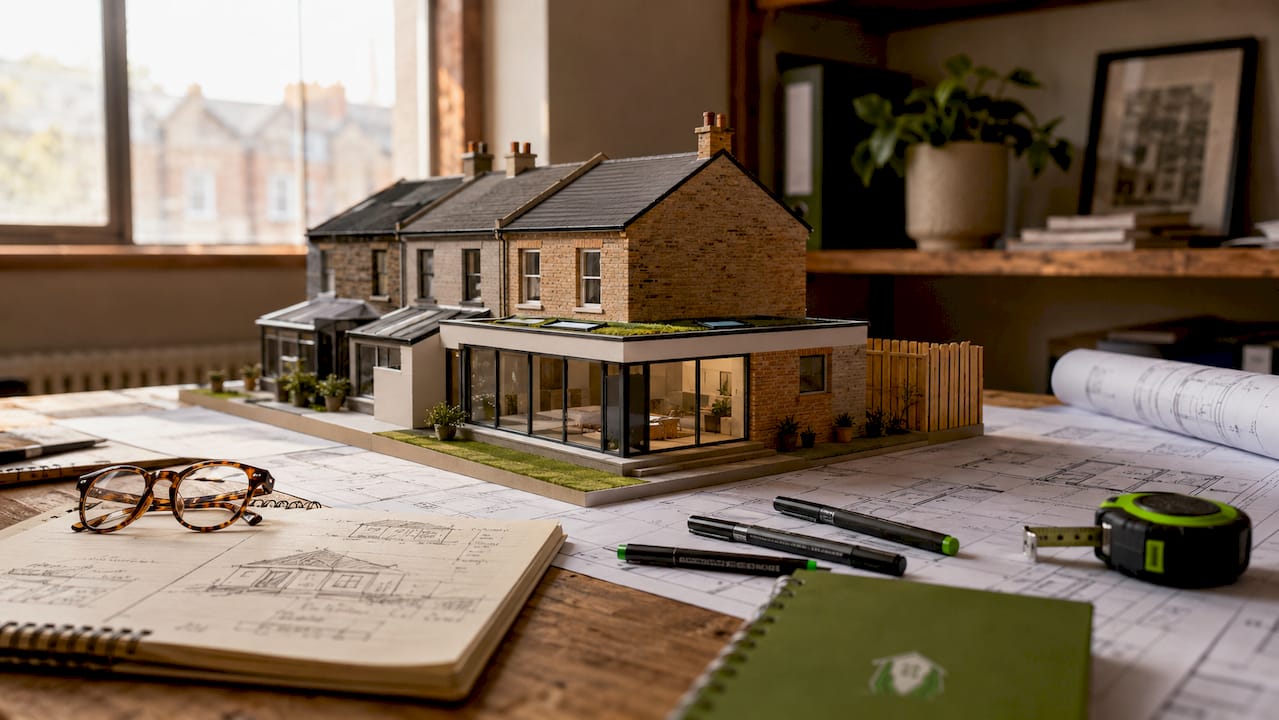
1. Wraparound extensions
Wraparound extensions combine a rear and side return addition into a single, L-shaped structure. They are the highest-performing extension type by return on investment. In the Warrington area, wraparound extensions return 120–150% of construction costs, outperforming standard rear extensions by a significant margin. That performance comes from the dramatic increase in ground-floor living space and the opportunity to create a genuinely open-plan kitchen, dining, and living area with full garden access. Bi-folding doors and roof lanterns are common features that amplify natural light and strengthen the indoor-outdoor connection buyers value most.
2. Double-storey extensions
Double-storey extensions add more absolute value than any other single project. They increase both ground-floor living space and first-floor bedroom count in one build. Adding bedrooms unlocks a wider buyer pool and is one of the most reliable value drivers in residential property. A three-bedroom home that becomes a four-bedroom home moves into a different market bracket entirely. Planning permission is required in most cases, and the build is more complex, but the long-term return justifies the investment for most homeowners with the right property.
3. Rear kitchen-diner extensions
The rear kitchen-diner extension is the most popular home addition in the North West of the UK, and for good reason. Open-plan kitchen-diners with natural light and garden access are consistently prioritised by buyers above almost any other feature. A well-executed rear extension replaces a dark, cramped kitchen with a bright, sociable space that becomes the heart of the home. Roof glazing, large format tiles, and bi-folding or sliding doors to the garden are design choices that consistently strengthen buyer perception and sale price.
Pro Tip: Plan your kitchen extension layout before committing to a structural design. The position of the island, the direction of natural light, and the sightline to the garden all affect how buyers experience the space. A good kitchen extension layout can make a modestly sized addition feel far larger than it is.
4. Side return extensions
Side return extensions use the narrow, often wasted passage running alongside a Victorian or Edwardian terrace. They are one of the most cost-effective extensions available because they require relatively modest structural work while delivering a meaningful increase in kitchen or dining room width. The result is a ground floor that feels transformed rather than simply enlarged. For homeowners in areas like Warrington, St Helens, and Wigan, where Victorian terraces are common, a side return is frequently the most practical first step in a broader home improvement programme.
5. Double-storey side extensions
A double-storey side extension adds a full new section to the side of the property across two floors. On the ground floor, this typically creates a larger kitchen or utility room. On the first floor, it adds a new bedroom, often with an en-suite. The visual impact is significant, and when designed to match the existing roofline and materials, it improves street symmetry and kerb appeal. This type of extension suits detached and semi-detached homes with sufficient plot width and is particularly effective at repositioning a property within its local market.
6. Garage conversions
A garage conversion is not a traditional extension, but it is one of the most cost-effective ways to add usable living space and increase value. Converting an integral or attached garage into a habitable room, a home office, or a playroom adds square footage without increasing the building’s footprint. Complete-property specialises in garage conversions across Great Sankey, Lymm, Altringham, and surrounding areas. The results consistently impress buyers who value flexible, well-finished living space over a storage area they rarely use.
7. Cellar conversions
Cellar conversions are underused in the UK but deliver excellent value in the right property. Converting an existing cellar into a habitable room, a home cinema, or a gym adds significant square footage without any external building work. The key requirement is adequate headroom and effective waterproofing. In higher-value areas, a well-converted cellar can add a bedroom or a dedicated workspace that buyers in the 40-plus age bracket increasingly expect.
How strategic design and layout maximise value
The size of an extension matters far less than how it is designed. Strategic proportionality and a focus on buyer lifestyle priorities consistently outperform pure square footage expansions. A smaller, beautifully designed extension with excellent natural light will outperform a larger, poorly planned one every time.
The design principles that most reliably add value are:
- Open-plan flow. Removing internal walls to connect kitchen, dining, and living areas creates the sociable, flexible space that modern buyers prioritise.
- Natural light. Roof lanterns, skylights, and full-width glazing transform how a space feels. Buyers respond to light more viscerally than to any other single feature.
- Garden connection. Bi-folding doors, sliding doors, or large French doors that open directly onto a garden or terrace are consistently cited as a top buyer priority.
- Bedroom count. Extensions that add bedrooms access a wider buyer pool and deliver stronger resale returns than those that only increase living space.
- Energy efficiency. Thermally efficient materials, well-insulated roofs, and high-performance glazing reduce running costs and increase perceived quality. Double glazing, in particular, adds both practical and perceived value to any extension.
Pro Tip: Before you finalise your extension design, check the planning requirements for your specific property. Permitted development rights vary by property type, location, and previous alterations. Getting this right at the start saves significant time and cost later.
One critical design constraint is the local market ceiling. Over-extending relative to local comparables reduces added value because valuations are capped by what similar homes on the same street have sold for. If your extension makes your home the most expensive on the road by a wide margin, the market will not reward the full investment. A good builder or architect will advise you on this before you commit.
Single-storey vs double-storey extensions: which adds more value?
The choice between a single-storey and a double-storey extension depends on your priorities: percentage return, absolute value added, or living space gained.
| Extension type | Typical ROI | Absolute value added | Best suited for |
|---|---|---|---|
| Single-storey rear | 120–140% | Moderate | Open-plan living, kitchen-diners |
| Wraparound | 120–150% | High | Ground-floor transformation |
| Double-storey rear | Lower % but higher absolute | Very high | Adding bedrooms and living space |
| Side return | High % | Moderate | Victorian and Edwardian terraces |
| Double-storey side | Moderate % | High | Detached and semi-detached homes |
Single-storey rear extensions typically return 120–150% ROI, making them the strongest performers on a percentage basis. Double-storey extensions add more in absolute terms but at a lower percentage return because the build cost is significantly higher. For homeowners who plan to sell within five to ten years, a single-storey wraparound or rear extension often delivers the best financial outcome. For those staying long-term, a double-storey build that adds a bedroom is the stronger investment.
Additional improvements that complement your extension
An extension delivers its best return when the rest of the property supports it. A beautifully built rear extension loses impact if the front of the house looks tired or the existing rooms feel dated.
The improvements that complement extensions most effectively are:
- Front door and entrance upgrades. Garage door replacements and entry door upgrades yield ROI of 160–180%, adding double the outlay in market value through kerb appeal alone. This is one of the highest-returning improvements available and is frequently overlooked.
- Minor kitchen and bathroom refreshes. New worktops, taps, and cabinet fronts in an existing kitchen or bathroom refresh the space without the cost of a full remodel. Upscale kitchen remodels and major luxury upgrades tend to offer low ROI of under 50%, while modest refreshes recoup 90–113%.
- Landscaping and garden presentation. The garden is the backdrop to your new extension. A well-maintained lawn, clean paving, and simple planting make the indoor-outdoor connection feel intentional rather than accidental.
- Energy-efficient windows and solid roofs. Replacing single-glazed windows and upgrading to a solid roof on an existing conservatory or orangery adds both thermal performance and perceived quality.
- Avoid value traps. Swimming pools, home cinemas, and over-specified luxury finishes rarely recoup their cost in the UK market. They appeal to a narrow buyer pool and can actively reduce marketability.
Key takeaways
The home extensions that add the most value are those designed around buyer priorities: bedrooms, open-plan living, natural light, and garden access, not simply the largest footprint you can build.
| Point | Details |
|---|---|
| Wraparound extensions lead on ROI | They return 120–150% of construction costs by transforming ground-floor living space. |
| Bedrooms unlock wider buyer pools | Adding a bedroom moves a property into a higher market bracket and increases resale appeal. |
| Design outperforms size | Open-plan flow, natural light, and garden access add more value than raw square footage. |
| Avoid over-extending | Building beyond local market comparables caps returns and reduces the financial case for the project. |
| Complement with kerb appeal | Front door and entrance upgrades yield some of the highest ROI of any home improvement. |
What I have learned from 35 years of building extensions in the North West
After more than three decades of building home extensions across Warrington, St Helens, Wigan, and the surrounding areas, the single most common mistake I see is homeowners focusing on size rather than quality. They want the biggest extension their plot allows. What they should want is the extension that best serves the way they actually live, and the way a future buyer will want to live.
The projects that deliver the strongest results are almost always the ones where the homeowner has thought carefully about natural light, about how the kitchen connects to the garden, and about whether the extension solves a real problem. Adding a third bedroom to a two-bedroom home is a genuine value unlock. Adding a fourth reception room to a home that already has three is not.
I also see homeowners underestimate the importance of proportionality. An extension that dwarfs the original house, or that uses materials which clash with the existing structure, will always feel wrong to buyers. The best extensions feel as though they were always there. That takes experience, care, and an honest conversation at the design stage about what the local market will actually reward.
Energy efficiency is no longer a nice-to-have. Buyers in the 40-plus bracket, particularly those with higher-value properties, are increasingly focused on running costs and thermal comfort. Thermally efficient materials, well-specified glazing, and properly insulated roofs are not extras. They are the baseline for a well-built extension in 2026.
— Gareth
Ready to build an extension that adds real value?
Complete-property has been helping homeowners across Warrington, St Helens, Wigan, Ormskirk, Southport, Altringham, and the wider North West create beautiful, high-quality home extensions for over 35 years. Every project comes with a fixed-price guarantee, a personal service from a family-run team, and the craftsmanship that has earned us a five-star TRUST INDEX Verified reputation on Google.
Whether you are planning a rear kitchen-diner, a double-storey addition, or a garage conversion, we will guide you from the first conversation through to completion. Explore our house extension services to see the full range of options, or read our detailed guide to building a home extension to understand exactly what the process involves. Get in touch with the Complete-property team today and let us help you make the most of your home.
FAQ
What home extensions add the most value in the UK?
Wraparound extensions and rear kitchen-diners consistently deliver the strongest returns, with well-designed extensions adding 10–20% to UK property value. Extensions that add a bedroom typically outperform those that only increase living space.
Do I need planning permission for a home extension?
Many single-storey rear extensions fall under permitted development rights and do not require a full planning application. Double-storey extensions and larger projects almost always require planning permission. Check the UK planning rules for your specific property before starting any design work.
Is a single-storey or double-storey extension better value?
Single-storey extensions typically return a higher percentage of build cost, while double-storey extensions add more absolute value. The right choice depends on your budget, your property type, and whether adding a bedroom is a priority.
How long does a home extension take to build?
A typical home extension takes 12–26 weeks from start to completion, depending on size and complexity. Larger double-storey projects sit at the upper end of that range, while straightforward single-storey rear extensions can complete more quickly.
Can a garage conversion add as much value as a full extension?
A garage conversion adds significant value at a lower build cost than a full extension, making it one of the most cost-effective home improvements available. It is particularly effective when the converted space creates a bedroom, a home office, or a well-finished reception room.


